Difference Between Health Care Aide and Personal Support Worker
In today’s aging population, the demand for professionals who provide care to the elderly, disabled, and chronically ill is rapidly growing. Two of the most common job titles in this field are Health Care Aide (HCA) and Personal Support Worker (PSW). Although the terms are sometimes used interchangeably, they are not identical. Both roles share similarities in supporting patients with daily living activities, but they differ in training, job scope, work settings, and career opportunities. Understanding the difference between Health Care Aide and Personal Support Worker is crucial for students, caregivers, and families choosing the right type of support.
Understanding the Role of a Health Care Aide (HCA)
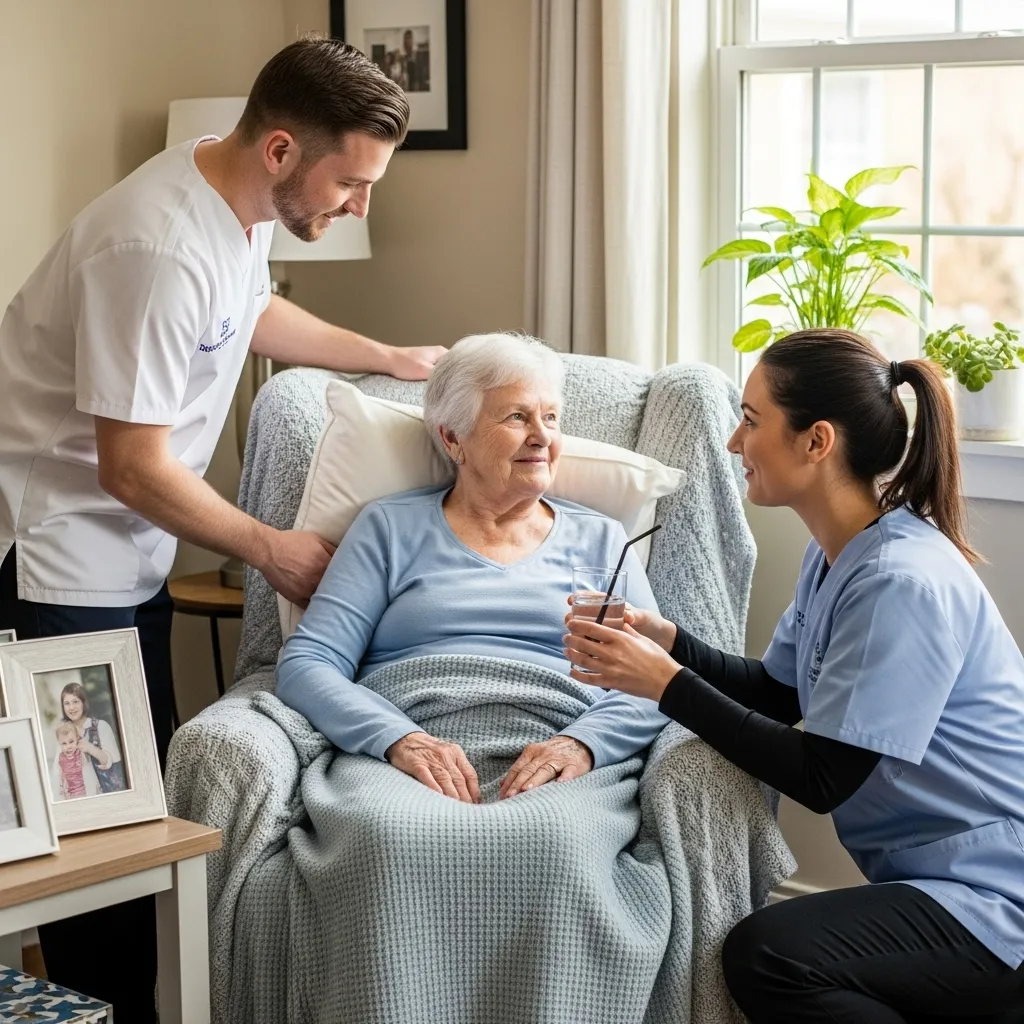
A Health Care Aide is a frontline health worker who provides basic assistance to individuals who need support due to aging, illness, or disability. HCAs are trained to work under the supervision of registered nurses or licensed practical nurses. Their duties primarily focus on personal care, hygiene, mobility assistance, and ensuring patient comfort.
Key Responsibilities of Health Care Aides
- Helping patients with bathing, grooming, and dressing
- Assisting with feeding and meal preparation
- Monitoring and reporting changes in patient conditions
- Providing emotional support and companionship
Work Settings
HCAs are commonly employed in hospitals, nursing homes, assisted living facilities, and community care centers. Their role is essential for maintaining the dignity and well-being of vulnerable populations.
Understanding the Role of a Personal Support Worker (PSW)
A Personal Support Worker has a broader role compared to an HCA. While PSWs also provide personal care, their responsibilities often extend to household management, assisting with medications, and offering social engagement. PSWs are typically found in regions like Ontario, Canada, where the job title is officially recognized.
Key Responsibilities of Personal Support Workers
- Assisting with personal hygiene and daily activities
- Providing light housekeeping and meal preparation
- Helping with mobility, exercise, and recreational activities
- Offering medication reminders and health-related tasks
Work Settings
PSWs work in private homes, long-term care facilities, retirement communities, and hospitals. Their duties often overlap with HCAs but may include more independence in decision-making and care delivery.
Historical Context of HCA and PSW Roles
The emergence of Health Care Aide and Personal Support Worker positions reflects the increasing demand for community-based and institutional care. HCAs were initially developed in hospital systems, focusing on assisting nurses, while PSWs evolved from community and home-care needs. Over time, both roles have become professionalized, with training programs, certifications, and standardized expectations.
Evolution of Health Care Aides
HCAs historically worked in hospitals as “nurse’s aides.” Their responsibilities were more limited but gradually expanded to include comprehensive personal care. Today, HCAs are recognized as vital members of healthcare teams across Canada and beyond.
Evolution of Personal Support Workers
PSWs became prominent in the 1990s when Ontario merged several caregiving roles—homemakers, personal attendants, and health aides—into one unified profession. This integration provided a more standardized approach to caregiving at the community level.
Education and Training Requirements
One of the biggest differences between Health Care Aide and Personal Support Worker lies in their training and certification. While both require compassion and dedication, the education pathway varies depending on the region and job expectations.
Health Care Aide Training
Most HCAs complete a short certificate program (6–12 months) offered by colleges or vocational schools. Training covers personal care, infection control, mobility assistance, and communication skills. Some provinces in Canada regulate HCAs to ensure quality standards.
Personal Support Worker Training
PSWs typically undergo a longer training program, usually 8–12 months, with more comprehensive modules. The curriculum includes personal care, safety, cognitive support, nutrition, and often medication assistance. PSW training is standardized in Ontario, which helps ensure consistency across the profession.
Scope of Practice: HCA vs. PSW
Although both roles emphasize patient support, their scope of practice differs slightly. This distinction is important for employers, families, and healthcare providers.
Health Care Aide Scope
HCAs primarily focus on direct physical care. Their responsibilities revolve around ensuring hygiene, comfort, and safe mobility. They do not typically administer medications or perform medical procedures beyond basic assistance.
Personal Support Worker Scope
PSWs not only handle personal care but also support daily living in broader ways. Their responsibilities may include household chores, companionship, and assisting clients in making lifestyle choices. In some cases, PSWs can be trained to provide delegated medical tasks such as medication reminders or blood pressure checks.
Salary and Job Outlook
Another significant factor when comparing Health Care Aide vs. Personal Support Worker is income and career opportunities. Salaries may vary by region, employer, and years of experience.
Health Care Aide Salary
In Canada, HCAs earn an average salary ranging between $18–$25 per hour, depending on the province. Rural areas may offer slightly lower wages, while hospitals and government-funded facilities typically pay more.
Personal Support Worker Salary
PSWs often earn slightly more than HCAs, averaging $20–$28 per hour. Since PSWs have broader responsibilities and often work in private homes, opportunities for overtime or specialized care can increase earnings.
Career Advancement Opportunities
Both HCAs and PSWs serve as entry-level positions in healthcare. However, career growth opportunities differ, depending on training and further education.
Health Care Aide Career Path
HCAs who want to advance often pursue further studies to become Licensed Practical Nurses (LPNs) or Registered Nurses (RNs). This transition requires additional schooling but opens doors to higher salaries and leadership roles.
Personal Support Worker Career Path
PSWs can also upgrade their careers by studying nursing or specialized caregiving programs. Since PSWs often interact with clients in home settings, some transition into case management, community health coordination, or palliative care roles.
Regional Differences: Canada and Beyond
It is important to note that the titles Health Care Aide and Personal Support Worker are not universally applied across all countries. Their recognition and responsibilities depend heavily on the region.
Canada
In provinces like Alberta and Manitoba, the title HCA is widely used, while in Ontario, PSW is the standard. Both are regulated differently depending on provincial healthcare systems.
United States and Other Countries
In the U.S., similar roles are known as Certified Nursing Assistants (CNAs) or Home Health Aides (HHAs). In the U.K., equivalent roles are called Health Care Assistants. Each country sets its own training standards and job descriptions.
Challenges Faced by HCAs and PSWs
Despite the rewarding nature of their work, both HCAs and PSWs face significant challenges. These challenges can influence job satisfaction and retention rates.
Physical Demands
The work often requires lifting, repositioning patients, and long hours on their feet. This can lead to physical strain and fatigue.
Emotional Stress
Caring for individuals with terminal illnesses or cognitive decline can be emotionally draining. Burnout and compassion fatigue are common issues among both HCAs and PSWs.
Choosing the Right Career Path
If you are considering entering the caregiving profession, deciding between becoming a Health Care Aide or a Personal Support Worker requires self-reflection. Both careers demand patience, empathy, and resilience.
Factors to Consider
- Do you prefer working in hospitals or community settings?
- Are you more interested in direct personal care or broader support roles?
- Do you want a stepping stone into nursing or prefer long-term caregiving?
Personal Passion
Ultimately, your choice should align with your passion for helping others and your long-term career goals.
Conclusion
The difference between Health Care Aide and Personal Support Worker lies in scope, training, and work environments. While HCAs focus more on physical and direct care under nurse supervision, PSWs provide a wider range of support, including household and social assistance. Both professions are vital in ensuring the dignity and quality of life for vulnerable individuals. Whether you choose to become a Health Care Aide or a Personal Support Worker, you will be entering a meaningful career with opportunities for growth and a lasting impact on the lives of others.