Home Nursing Care Services in the USA 2025
Home nursing care has become a vital part of the U.S. healthcare system. With an aging population and increasing demand for personalized medical support, home nursing care services in the USA 2025 are transforming the way seniors and patients manage their health. Families are looking for solutions that balance cost, convenience, and quality, while healthcare providers are embracing digital tools and professional standards to meet growing needs.
This article explores the landscape of home nursing care services in America, including trends, costs, technologies, and future predictions for 2025.
The Growing Importance of Home Nursing Care
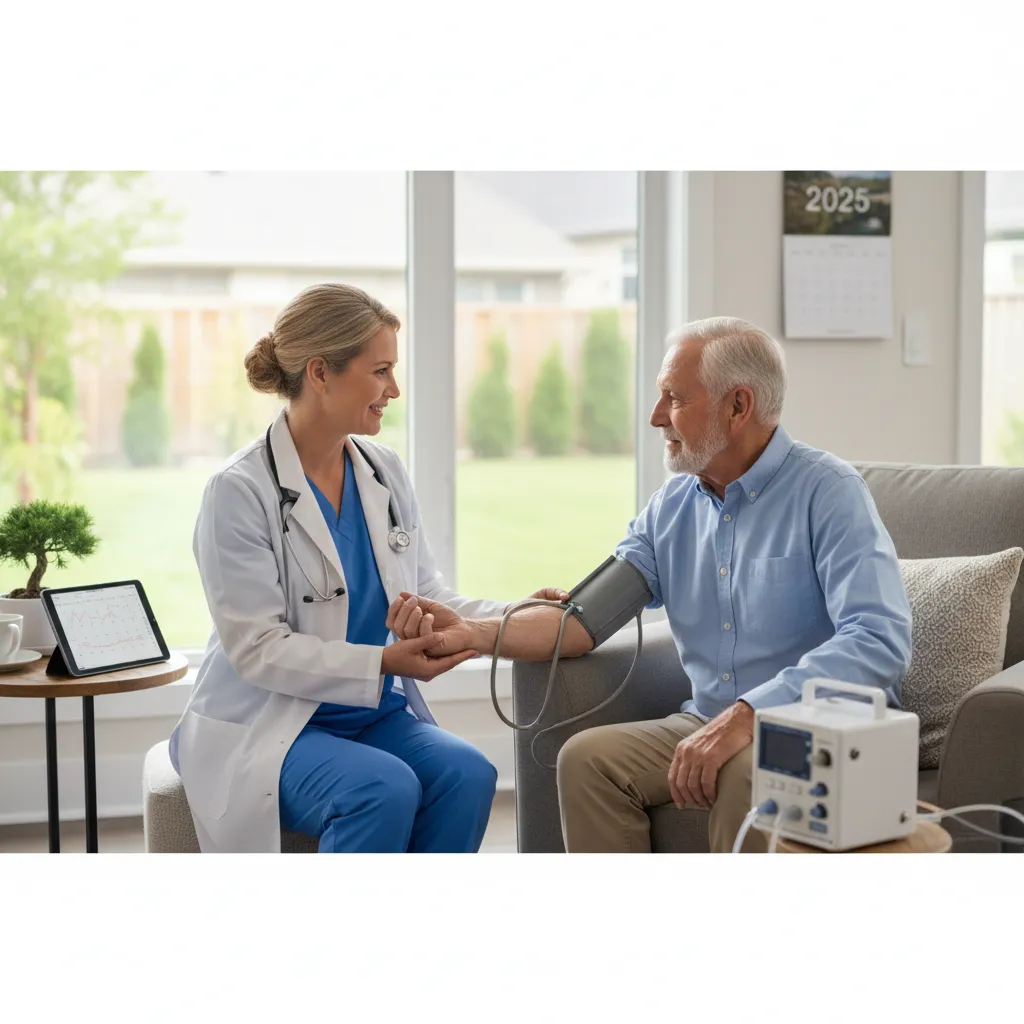
The U.S. population is aging rapidly, with millions of Americans over 65 requiring regular medical support. Home nursing care in the USA addresses this need by providing medical and daily living assistance at home.
Unlike traditional nursing homes, home-based services allow patients to stay in familiar surroundings, which helps improve emotional well-being and reduces hospital readmission rates. Families increasingly see home nursing services as the preferred option for elderly care.
Types of Home Nursing Care Services
Home care is not one-size-fits-all. The types of nursing care services in 2025 vary depending on the patient’s condition, medical needs, and lifestyle.
Main Categories of Care
- Skilled Nursing Care – Professional nurses providing wound care, medication administration, and post-surgery recovery.
- Personal Care Assistance – Help with daily tasks such as bathing, dressing, and mobility.
- Chronic Disease Management – Support for patients with diabetes, heart disease, or Alzheimer’s.
- Palliative and Hospice Care – Focused on comfort and quality of life for terminally ill patients.
By offering multiple options, home nursing care providers in the USA ensure personalized services tailored to individual needs.
Benefits of Home Nursing Care Services
Choosing home nursing care services brings multiple benefits for patients and families alike.
- Comfort and Familiarity – Patients recover faster at home in a safe, familiar environment.
- Cost Savings – In many cases, home care is less expensive than long-term nursing facilities.
- Personalized Attention – One-on-one nursing care ensures higher quality and focus.
- Family Involvement – Loved ones can remain engaged in the care process.
These benefits highlight why demand for home healthcare services in America is projected to increase throughout 2025.
Challenges Facing Home Nursing Care in the USA
Despite growth, challenges remain in delivering consistent and high-quality nursing care at home.
Key Issues
- Staff Shortages – The U.S. faces a shortage of skilled nurses, making recruitment difficult.
- Rising Costs – Healthcare inflation continues to affect affordability.
- Regulatory Barriers – State and federal guidelines sometimes create delays in service delivery.
- Technology Adoption – Not all seniors are comfortable using telehealth or digital monitoring.
Addressing these challenges will be crucial for expanding home nursing care services in the USA 2025.
Cost of Home Nursing Care Services in 2025
The cost of home nursing care in the USA depends on location, type of service, and hours required.
Average Costs
- Basic personal care: $25–$35 per hour
- Skilled nursing care: $80–$150 per visit
- Full-time live-in care: $4,500–$7,500 per month
While costs remain a concern, insurance coverage and Medicare/Medicaid programs in 2025 are expanding to make home healthcare more affordable for families.
Technology in Home Nursing Care
Technology is revolutionizing home nursing care services in America. From telemedicine to AI-driven monitoring, innovation is reshaping how seniors receive support.
Major Innovations
- Telehealth Services – Virtual consultations reduce the need for hospital visits.
- Wearable Devices – Smartwatches and sensors monitor heart rate, sleep, and medication schedules.
- AI and Robotics – Tools that assist caregivers in routine tasks and patient monitoring.
- Electronic Health Records (EHRs) – Secure digital systems that allow nurses to track and share patient data.
In 2025, these technologies make home nursing services in the USA more efficient and responsive.
Training and Qualifications of Home Nurses
Professionalism is key in ensuring quality nursing care at home. Home nurses in the USA must hold proper licenses and certifications.
Standard Requirements
- Registered Nurse (RN) or Licensed Practical Nurse (LPN) certification.
- Additional training in geriatric care, palliative care, and chronic disease management.
- Continuous education on digital health platforms and telemedicine tools.
This ensures that home healthcare nurses in 2025 can deliver safe and effective care tailored to elderly patients.
Choosing the Right Home Nursing Care Service
Families must carefully select providers when considering home nursing services in America.
Key Factors to Consider
- Accreditation and Licensing – Verify the provider is certified and legally recognized.
- Experience with Elderly Care – Look for providers specializing in senior health.
- Cost Transparency – Ensure all fees and insurance coverage are clearly explained.
- Availability of Technology – Check if providers use telehealth and digital monitoring tools.
Making informed decisions helps families secure the best home nursing care in the USA 2025.
Home Nursing vs. Assisted Living
One common debate is whether to choose home nursing care or an assisted living facility.
Home Nursing Care
- Provides personalized, one-on-one medical support at home.
- Ideal for patients needing specialized attention or wishing to remain independent.
Assisted Living
- Offers community living with basic care services.
- Better suited for seniors who need social interaction and moderate daily support.
Both options have pros and cons, but in 2025, more families are leaning toward in-home nursing services due to flexibility and comfort.
Future of Home Nursing Care in the USA
The future of home nursing care in America is set to expand dramatically. By 2025 and beyond, trends indicate:
- Increased reliance on technology to support remote care.
- Greater demand for specialized nurses trained in elderly and chronic disease care.
- Government support and funding to make services more affordable.
- Integration of holistic care approaches, combining medical support with mental and emotional well-being.
These developments ensure that home nursing care services in the USA will continue to grow as an essential part of healthcare.
Conclusion
The rise of home nursing care services in the USA 2025 reflects both demographic changes and healthcare innovation. Families are turning to home-based care as a cost-effective, comfortable, and personalized solution for elderly and chronically ill patients. While challenges remain in affordability, staffing, and regulations, new technologies and supportive policies are paving the way for a brighter future.
For families, patients, and healthcare professionals, investing in quality home nursing care in America is more than a medical decision—it is a commitment to dignity, independence, and better quality of life.